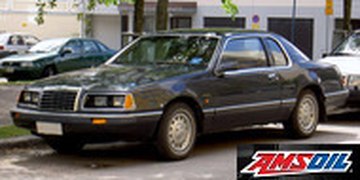
Engine Oil Maintenance for the 1983 Ford Thunderbird 2.3L
Maintaining proper lubrication is one of the most critical aspects of vehicle longevity. For owners of a 1983 Ford Thunderbird equipped with the 2.3L engine, selecting the correct oil viscosity and following consistent maintenance routines helps ensure the internal components remain properly lubricated under various operating conditions.
What engine oil is listed for my 1983 Ford THUNDERBIRD 2.3L?
The following engine oils are listed for this vehicle: Signature Series 5W-30 Synthetic Motor Oil, XL 5W-30 Synthetic Motor Oil, and OE 5W-30 Synthetic Motor Oil.
Understanding Engine Oil Viscosity
Viscosity refers to a fluid's resistance to flow. In an internal combustion engine, the oil must be thin enough to circulate quickly during a cold start to reach critical components, yet thick enough to maintain a protective film when the engine reaches operating temperature. When selecting oil, the viscosity grade is a primary factor in how the lubricant behaves within the engine galleries and around moving parts.
Using an oil that does not meet the requirements of the engine can lead to increased friction or insufficient lubrication during specific temperature ranges. Always refer to the manufacturer's documentation to ensure any oil selected aligns with the specified viscosity for your particular engine configuration.
The Importance of Regular Oil Changes
Engine oil undergoes chemical and physical changes over time. As the engine operates, the oil collects microscopic debris, combustion byproducts, and moisture. These contaminants can gradually degrade the oil's ability to lubricate effectively and can lead to the formation of sludge.
To prevent these issues, it is necessary to change the engine oil at regular intervals. Because specific service intervals vary based on driving conditions and manufacturer recommendations, you should follow the maintenance schedule provided in your owner's manual. Consistent adherence to these intervals helps maintain oil pressure and protects internal engine surfaces from premature wear.
Monitoring Oil Levels
Checking the oil level is a fundamental part of routine vehicle inspections. Low oil levels can lead to increased heat, reduced lubrication, and potential mechanical failure. It is recommended to check the dipstick periodically, especially before long trips or if you notice any changes in engine performance.
When checking the level, ensure the vehicle is parked on a level surface. Most engines require the oil to be at operating temperature for an accurate reading, though some procedures suggest checking when the engine is cool. Always use a clean, lint-free rag to wipe the dipstick before reinserting it to get a precise measurement of the fluid level against the marks on the stick.
Identifying Potential Oil Leaks
A sudden drop in oil levels between scheduled changes can be an indication of a leak. Leaks can originate from various points, such as gaskets, seals, or the oil pan. Common signs of an oil leak include dark spots on the driveway where the vehicle is parked or a noticeable smell of burning oil while the engine is running.
If you suspect a leak, it is important to have the vehicle inspected. Small leaks can eventually become significant issues that compromise the lubrication system. Maintaining clean engine surfaces also makes it easier to spot new leaks as they develop.
Managing Oil Contamination
Contamination can enter the oil system through several avenues. Combustion gases can blow past piston rings, introducing soot into the oil. Additionally, moisture from condensation can accumulate in the crankcase, particularly during short trips where the engine does not reach full operating temperature for extended periods. This moisture can react with combustion byproducts to create acidic compounds or sludge.
Regularly changing the oil and the oil filter helps remove these contaminants before they can cause damage. A clean oil filter is essential for capturing particulates and preventing them from recirculating through the engine's lubrication passages.
What oil filter is listed for my 1983 Ford THUNDERBIRD 2.3L?
The following oil filters are listed for this vehicle:
- EAO42-EA — AMSOIL Ea Oil Filters
- 51068-EA — WIX Oil Filter
BUYING ENGINE OIL
When you are ready to purchase lubricant, look for products that match the viscosity requirements listed for your vehicle. You may choose between different formulations, such as conventional or synthetic options, depending on your preference and the specific product listings available. Always verify that the container clearly states the SAE viscosity grade to ensure it matches the requirements of your 1983 Ford Thunderbird 2.3L.